Select city


For every parent, their child is the most precious thing in life. When in a car, parents must keep a close eye on their children and, above all, ensure their safety. Traveling by vehicle always carries inherent risks, even for adults. Let us therefore look at the key rules that every driver is legally required to follow when transporting a child under the age of 12.
If a driver follows these recommendations, the journey with passengers under the age of 12 will be completely safe.
1. Seat belts must be fastened
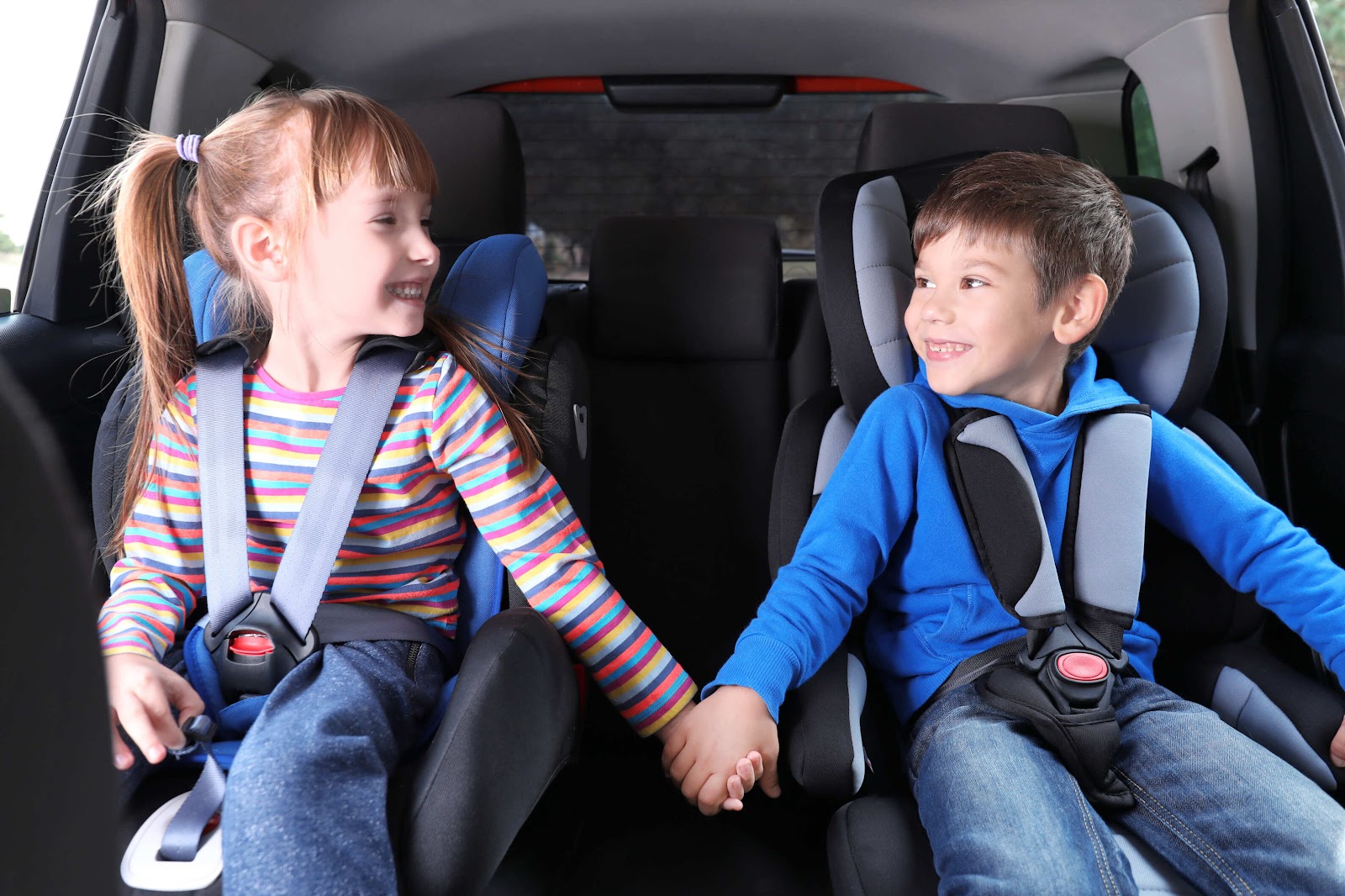
Every driver knows that all passengers must wear seat belts while the vehicle is in motion. However, some cars are equipped with such restraint systems only on the front seats. Therefore, when transporting children in the back seat, you must ensure they use special booster seats or child safety seats that are securely fastened—both by the seat belts and to the vehicle's seat itself.
2. Do not eat while driving
Neither the driver nor the passengers should eat while the vehicle is moving—especially children. Eating poses a risk of choking, and could even lead to an accident. It is better to pull over and have a snack.
3. Taxis must be equipped with a child safety seat
If you need to call a taxi for your trip, you should look for a company that provides vehicles equipped with child safety seats. This is a mandatory requirement (though one that many people overlook). The best solution in this case is SHARK TAXI. When booking the car, simply tell the operator that you need a booster seat and specify your child's age; a vehicle with the appropriate seat will be sent to you. You can also place an order online using the taxi's mobile app by selecting the relevant option from the menu.
4. Don't forget the first aid kit
By law, every car must carry a first aid kit. If you are a parent, you should also make sure the kit contains remedies for allergies, pain, fever, burns, and so on. Don't forget to include bandages and antiseptics as well.
5. Close and lock the doors
Naturally, the doors should be closed—and ideally locked—while the car is moving if there are children on board. They might accidentally open the doors, which could lead to very serious consequences.
6. Don't leave unnecessary items in the car
When traveling with young passengers, check the vehicle for any sharp, heavy, or otherwise dangerous objects that could harm the child during the trip. Either move them to the trunk or secure them firmly.
7. Never leave children alone in the car
Even if you think the child will be fine—for instance, if they are asleep—do not assume it is safe. Children are often unpredictable; they might open windows or doors, injure themselves, or—heaven forbid—suffer something worse.
In addition to the above, never transport young children in the front seat, even if you are holding them in your lap. In the event of an accident, they could bear the brunt of the impact. Simply put: stay vigilant. Follow these straightforward rules, and your children will be safe throughout the journey.