Select city


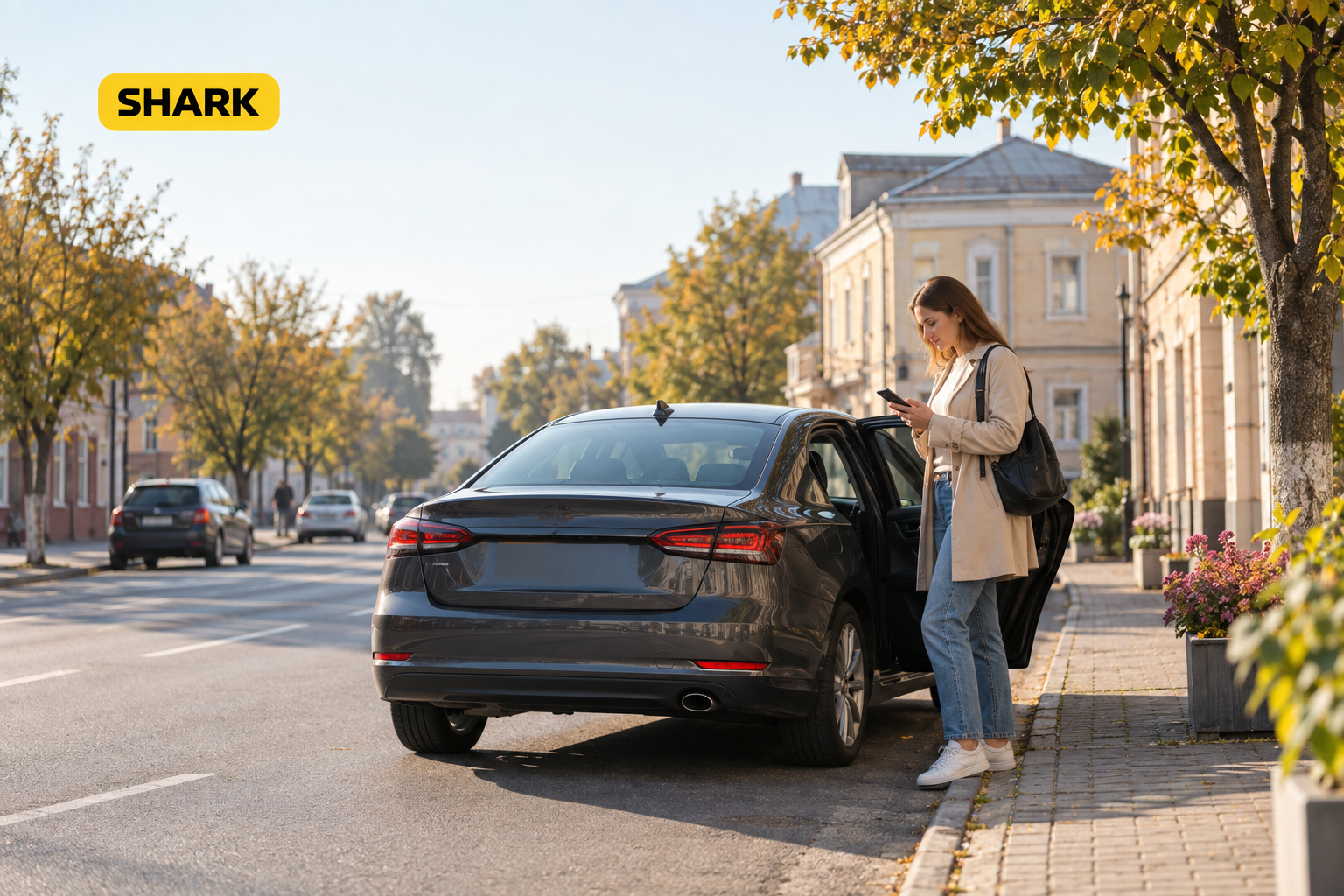
A taxi trip with several stops can be useful when you need to collect another passenger, pick up documents or shopping, and then continue to the final address. A route with three or four points is easier to manage when it is prepared before the booking is submitted. This reduces the risk of mixing up addresses, doubling back unnecessarily or choosing a car that cannot accommodate everyone and their belongings.
The SHARK Taxi page for Berdychiv provides access to current booking options and service information. The method for adding intermediate points, available vehicle categories and other conditions should be checked in the live interface before the ride.
This format can combine several related tasks in one journey. You might first collect a relative, then stop for a parcel and finish near a meeting point. Another common situation is a group whose passengers board at different locations but travel to the same destination.
Not every set of errands belongs in one long ride. If a lengthy pause is expected at one address or the restart time is uncertain, separate bookings may be clearer. The practical choice depends on the order of the points, the expected duration of each stop and the options shown by the service when you book.
Start with a simple list: pick-up point, every intermediate address and the final destination. Add a short note for yourself beside each stop: who is boarding, what must be collected and how much luggage will be added. This makes an inefficient order easier to spot.
Avoid returning to an area you have already passed unless there is a clear reason. A practical sequence normally moves forward from the starting point to the destination without unnecessary loops. Review the route on a map before confirming it, because a similar street name or an incorrect building number can change the whole plan.
If a stop is inside a courtyard, behind restricted access or on a section where a car cannot stop safely, agree on a clear meeting point in advance. The passenger should be ready there before the vehicle arrives instead of changing the address at the last moment.
A multi-stop journey includes more than driving time. Allow for one passenger leaving, another person boarding, bags being moved or an entrance being located. An exact journey duration cannot be guaranteed in advance because traffic, access and passenger readiness can all affect it.
The simplest preparation is to make sure every participant is ready when the vehicle reaches their point. Share the final order of stops and ask everyone to remain reachable. If a long wait is likely at one address, check the conditions in the app or through an available support channel before placing the booking.
Only one person may be in the car at the first point, while the cabin may be full after later stops. Choose the vehicle category for the maximum number of passengers carried at any stage of the journey, not just the number at the start. Apply the same rule to luggage: boxes, suitcases or a stroller must fit at the same time.
Different vehicle categories are presented on the SHARK city page, but actual availability may change. Check current capacity information and booking parameters in the live interface. A category name alone may not be enough when the group is large or the luggage is unusual.
Read every address again from first to last. Check the city, street names, building numbers, entrances and useful landmarks. Send the final sequence to the other passengers so that nobody waits at a point from an earlier version of the route.
When booking, use only the stop and route options that are available in the current service interface. If the required function is not shown or the route remains unclear, do not hide an intermediate address in an unrelated note. Check another available booking method or split the journey into separate stages.
A well-prepared route makes the journey clearer for everyone. Accurate addresses, a logical order, passengers who are ready and a suitable vehicle remain the essentials from the first point to the last.