Tire service is the process of replacing, balancing and repairing car tires. This service is very important for maintaining the safety and efficiency of your travels, especially during the different seasons of the year when you have to install summer or winter tires depending on the weather conditions.
The main aspects of tire service include:
- Tire rotation: Depending on the weather conditions and the season, you may need to replace the tires on your vehicle. This usually involves switching from summer to winter tires and vice versa. Professionals remove one set of tires and install another set.
- Tire balancing: Unbalanced tires can lead to vehicle vibrations and suspension wear. During a tire alignment, the technician balances the weight of the tire by distributing the weight evenly around the rim.
- Tire repair: In the event that a tire is damaged but can be repaired, a tire shop can perform a repair. This can be a patch or other repair methods that allow the tire to continue to serve.
- Tread diagnostics: The tire shop also performs a tread inspection to ensure that the tread depth still meets safety standards.
- Radiality and camber: It is important to have your tires mounted so that they are radial and have the correct tire alignment. This ensures even tire wear and better control of the vehicle.
- Tire storage: Many tire shops offer tire storage services, and SHARK is no exception. This is useful if you don't have the space to store your winter or summer tires.
- Tire maintenance tips: Tire professionals can give you tips on how to properly care for your tires, including proper tire pressure, wheel alignment, and other aspects.
It's important to choose a reliable and professional tire shop to ensure your tires are properly maintained. Our team uses specialized equipment and has experience in working with car tires, which makes it possible to ensure safety and comfort on the road.

How often do you need to visit a tire service?
The frequency of visits to the tire service depends on several factors, including the season, type of tires, vehicle operating conditions, and others. Here are general guidelines for how often you should have your tires serviced at a tire shop:
- Change of season: If you use different sets of tires for different seasons (summer and winter), you will usually need to visit a tire shop twice a year - during the change of seasons. For example, in the fall for winter tires and in the spring for summer tires.
- Balancing and alignment: If you notice vibrations or uneven wear on your tires, you should have them balanced and aligned. This can happen approximately every 10-15 thousand kilometers or as needed.
- Tread diagnostics: Periodically check the tread depth of your tires. If the tread is worn, it can affect safety and ride quality. If the tread becomes less than the acceptable minimum depth, you may need to replace the tires.
- In-depth inspection: From time to time, you should have your tires inspected in depth to identify potential damage, such as cuts, punctures, or other defects. This can be part of your vehicle's regular maintenance.
- Change tires after damage: If your tires have been damaged due to an event such as a puncture or cut, you should visit a tire shop to assess whether the tire can be repaired or replaced.
In general, it is recommended that you visit a tire shop regularly to ensure the safety and efficiency of your vehicle. The frequency of visits may depend on the individual conditions and needs of your vehicle.
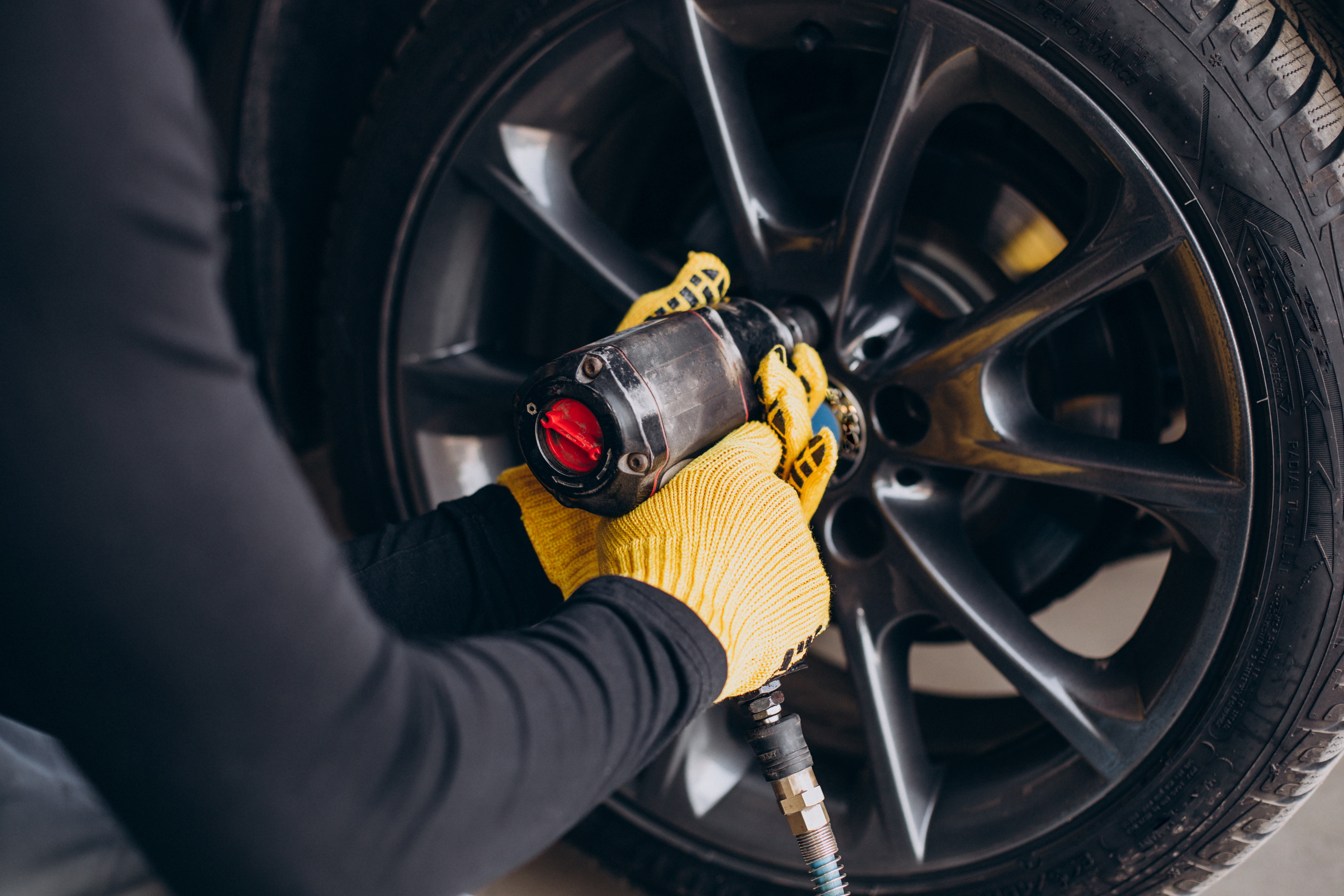
Benefits of visiting a tire shop on time
There are numerous benefits to the safety, comfort, and durability of your car tires when you visit a tire shop on time. Here are some of the most important benefits:
- Safety on the road: Replacing or installing the right tires for the weather conditions in a timely manner helps ensure optimal traction. This reduces the risk of aquaplaning, skidding on snowy or wet roads, making your trip much safer.
- Tire wear and durability: Using the right tires for each season helps reduce uneven wear. Summer tires on a winter road and vice versa can lead to early wear and shorten tire life.
- Reduced fuel consumption: Using the right tires can have a positive impact on your vehicle's fuel consumption. For example, winter tires have a special rubber compound and tread that provide better traction on snow and ice, thereby reducing drag.
- Comfort and ride quality: Appropriate tires help improve passenger and driver comfort by reducing vibrations and road noise.
- Saving time: Tire service at a tire shop can be a relatively quick process. By ensuring timely service, you save time that could otherwise be spent on unscheduled visits due to potential tire problems.
- Reduce the risk of an accident: Using inadequate tires can lead to dangerous situations on the road, such as losing control of your vehicle or scrapes. The right tires help reduce the risk of accidents.
- Cost of maintenance: In some cases, having your tires replaced or repaired at a tire shop can cost less than potential repairs or replacements that could arise from improper maintenance.
- Preservation of other elements of the car: The right tires help reduce the stress on other vehicle parts, such as suspension and brakes, which affects their durability and performance.
In general, timely tire maintenance at a tire shop is an important part of keeping your vehicle in good condition, ensuring safety, efficiency and comfort during your trips.